Radish: A Handwritten Font for Editorial Elegance
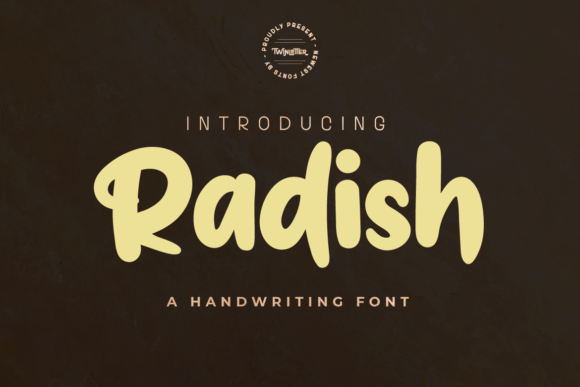
Radish is a premium, handwritten script font that brings a unique and flowing touch to any design. Its thick, relaxed lettering makes it an ideal choice for creating eye-catching logos, branding, and quotes. Every letter in Radish has a distinct and beautiful character, making it a standout option for editorial designers, bloggers, and content creators.
Visual Characteristics and Style
Radish embodies a modern, yet timeless aesthetic with its thick, flowing strokes and relaxed, handwritten feel. The font's personality is both inviting and sophisticated, making it perfect for a wide range of editorial projects. Whether you're designing a magazine cover, a blog header, or an ebook title, Radish adds a touch of elegance and creativity.
Editorial Applications and Versatility
Radish is particularly well-suited for titles, subtitles, and pull quotes. Its bold, flowing style captures attention and sets the tone for your content. For example, using Radish for the main heading of a lifestyle blog can instantly draw readers in, while its use in a recipe ebook can add a personal, handcrafted touch. Additionally, Radish works beautifully for chapter openers in digital magazines, adding a visually appealing start to each section.
Supporting Visual Hierarchy and Reader Engagement
Incorporating Radish into your editorial designs can help establish a clear visual hierarchy. Use it for main headings and key sections to guide the reader's eye and emphasize important information. The font's unique and attractive style also enhances reader engagement, making your content more memorable and enjoyable to read. For instance, using Radish for the cover text of a wedding guide can create a romantic and elegant atmosphere, drawing in potential readers.
Practical Examples for Content Creators
- Lifestyle Blog: Use Radish for the blog header and main article titles to create a welcoming and stylish look.
- Recipe Ebook: Apply Radish to the ebook title and section headings to give a personal, handcrafted feel.
- Wedding Guide: Utilize Radish for the cover and chapter titles to add a touch of elegance and romance.
- Coaching Workbook: Incorporate Radish for the workbook title and inspirational quotes to make the content more engaging and motivational.
- Digital Magazine: Use Radish for the cover and major section headings to set a sophisticated and creative tone.
- Printable Planner: Apply Radish to the planner cover and key sections to add a personal and artistic touch.
Readability Considerations
While Radish is a stunning display font, it is best used for shorter text and prominent elements. For longer reading, such as body copy, consider pairing Radish with a clean, readable serif font or a sans serif font. This combination ensures that your content remains both visually appealing and easy to read, whether on screen, in PDFs, or in print. For mobile layouts, ensure that the font size is large enough to maintain clarity and impact.
Font Pairing for Editorial Design
To create a cohesive and balanced design, pair Radish with complementary fonts. For example, a classic serif font like Garamond or a modern sans serif font like Helvetica can provide a clean, readable contrast for body text. This pairing allows Radish to shine in its role as a display font, while the supporting fonts ensure overall readability and consistency.
Commercial Licensing and Usage
When using Radish for commercial projects, such as ebooks, templates, printables, paid newsletters, client publications, and digital downloads, it's important to check the licensing terms. Ensure that you have the appropriate commercial license to use the font in your specific project. This will help you avoid any legal issues and allow you to fully leverage the font's potential in your editorial work.
Conclusion
Radish is a versatile and visually appealing manual script font that can elevate your editorial designs. Its unique, flowing style and thick, relaxed lettering make it an excellent choice for titles, subtitles, and other prominent elements. By carefully considering its use and pairing it with complementary fonts, you can create a cohesive and engaging design that resonates with your audience. Whether you're working on a lifestyle blog, a recipe ebook, or a digital magazine, Radish is a valuable asset for any content creator.