Lady Bug: A Whimsical Handwritten Font for Editorial Charm
As I sat down to redesign the header of my lifestyle blog, I knew I needed a font that would capture the essence of warmth and playfulness. Enter Lady Bug, a premium handwritten font that brings a touch of whimsy and romance to any design project.
A Visual Feast with Lady Bug
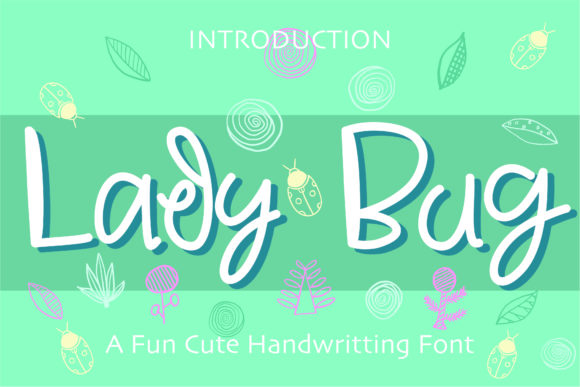
Lady Bug is a script font that exudes a jolly and romantic character. Its flowing lines and playful curves make it a perfect choice for adding a personal, handcrafted feel to your editorial designs. The font's rhythm is both lively and elegant, making it an ideal typeface for creating a memorable and engaging visual experience.
Editorial Appeal and Versatility
In my recent project, I used Lady Bug for the main title of a recipe ebook. The font's warm and inviting nature perfectly complemented the cozy, home-cooked recipes featured in the book. For the chapter openers and pull quotes, Lady Bug added a delightful touch, drawing the reader's eye and enhancing the overall reading experience.
- Blog Headers: Use Lady Bug to create a welcoming and playful header that sets the tone for your blog's content.
- Magazine Covers: Add a touch of whimsy to your magazine covers with Lady Bug, making them stand out on the newsstand.
- Ebook Titles: Perfect for titles that need to be both eye-catching and approachable, Lady Bug adds a personal touch to your digital publications.
Supporting Visual Hierarchy and Readability
While Lady Bug shines in its role as a display font, it's important to consider its readability. For longer text or body copy, it's best to pair Lady Bug with a more readable serif or sans serif font. This combination ensures that your content remains accessible and enjoyable to read, even in long-form articles or dense paragraphs.
For instance, in a coaching workbook, I used Lady Bug for the section headings and pull quotes, while a clean sans serif font was employed for the instructional text. This balance maintained the playful and inviting mood set by Lady Bug, without compromising on readability.
Practical Considerations and Font Pairing
When using Lady Bug in your projects, it's essential to check the included styles, alternates, and ligatures. These features can add a unique and personalized touch to your designs. Additionally, ensure that the font supports the languages you need and comes in the file formats required for your specific use, whether it's for web design, print materials, or digital downloads.
For a cohesive and professional look, consider pairing Lady Bug with a classic serif font like Garamond or a modern sans serif like Montserrat. This combination not only enhances the visual hierarchy but also creates a harmonious and balanced design.
Conclusion: A Font for Creative Expression
Lady Bug is a versatile and charming font that can elevate your editorial designs, from blog headers to ebook titles and beyond. Its playful and romantic character makes it an excellent choice for projects that require a personal and inviting touch. Just remember to use it judiciously, especially in contexts where readability and clarity are paramount.
Whether you're designing a wedding guide, a digital magazine, or a creator newsletter, Lady Bug is a font that will help you craft a visually appealing and engaging publication. Give it a try and see how it can transform your next design project into a work of art.